The Mura Journal
How to Store Your Wedding Dress Before the Wedding
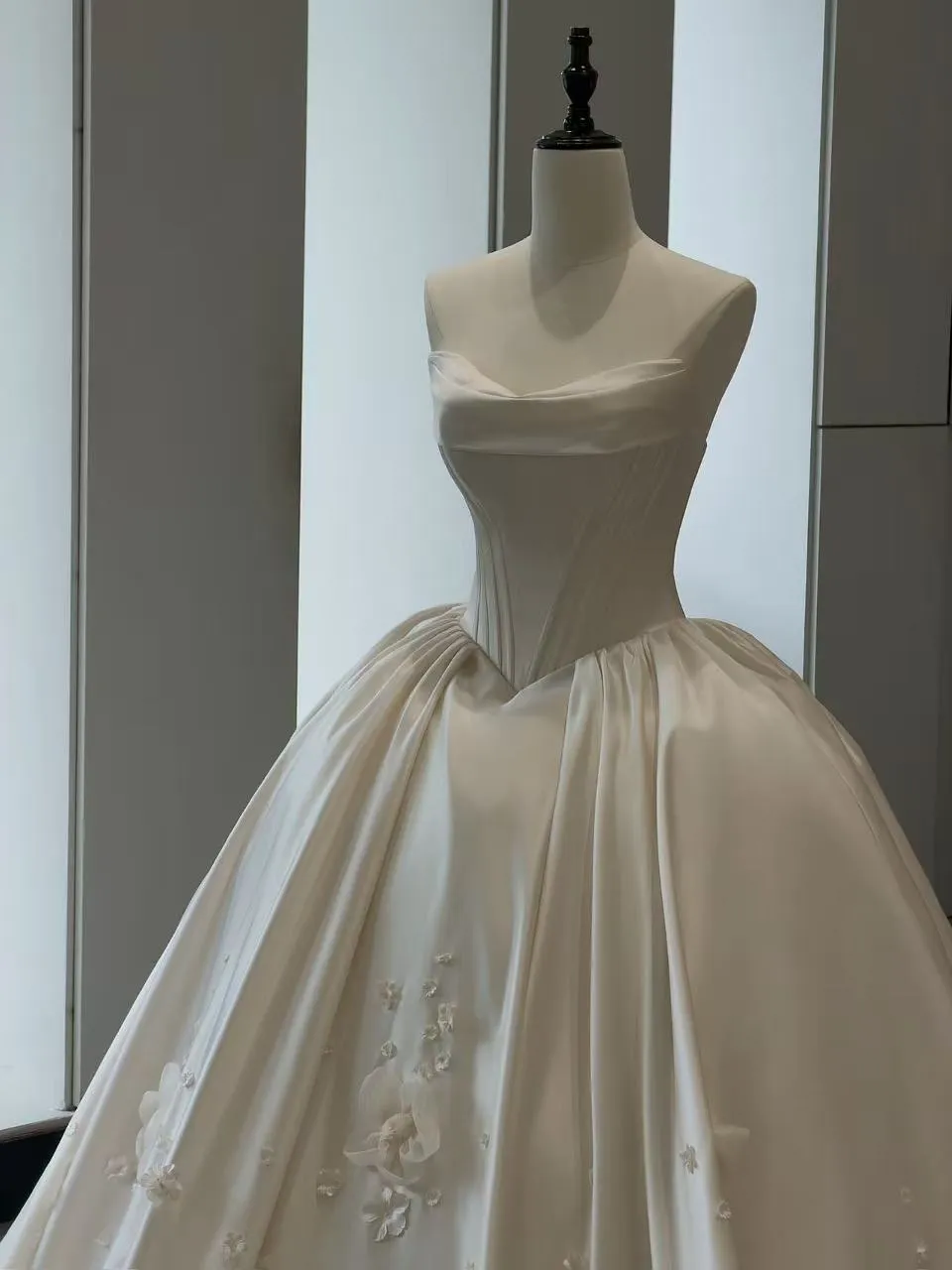
Your dress has arrived, it fits, it's perfect — and the wedding is still weeks away. How you store it between now and the big day quietly determines how it looks when you finally wear it. Wedding dresses are delicate constructions of lace, tulle, beading, and hope, and most storage damage happens through small, ordinary habits: a wire hanger, a plastic bag, a sunny spare room. Here's how to keep your gown in dress-day condition. (This is general care advice for any dress, wherever it was made.)
The golden rules of short-term storage
- Hang it properly, or lay it flat. Use the fabric hanging loops sewn inside the dress — never hang a gown by its straps or sleeves, which stretch under the skirt's weight. A padded hanger through the loops, in a cool room, is ideal. Very heavy, heavily beaded gowns are sometimes happier lying flat on a clean bed or table with acid-free tissue supporting the folds.
- Use a breathable garment bag. Fabric needs air. The plastic bag a dress travels in is for transport, not storage — plastic traps moisture and can yellow delicate fabrics over weeks. A cotton or breathable non-woven garment bag is the right home.
- Keep it dark, cool, and dry. Sunlight fades and weakens fabric; heat and humidity invite mildew. A spare-room closet away from windows and exterior walls is perfect. Avoid basements and attics — Alberta basements are dry, but temperature swings and the occasional water surprise make them a gamble.
- Hands off (mostly). Every try-on at home adds oils, makeup risk, and snag opportunities. Admire it in the bag. If you must check on it, wash your hands first.
Protect the details
Beading, sequins, and appliqué are the vulnerable parts. If your dress is stored hanging, make sure beaded sections aren't grinding against zippers, hooks, or other garments — keep it in its own space. Trains should hang freely rather than pooling on a closet floor where they gather dust and creases. If your dress has delicate tulle, avoid compressing it between other clothes; tulle recovers from a lot, but weeks of squashing isn't kind. Pets deserve a mention: a closed door between a curious cat and the most expensive garment you've ever owned is simple wisdom.
The final week
A few days before the wedding, take the dress out of its bag and let it hang in a steamy bathroom or a room with space around it, so minor creases relax. Check the hanging loops, the closure, and any detachable pieces — sleeves, belts, veils — and gather them in one place. This is also the moment to confirm your plan for getting the dress to the venue. Our brides collect their dresses at their try-on appointment here at the boutique — the final step of the custom process — and most tell us this final-week check becomes a small ritual of its own. More answers to practical questions live on our FAQ page.
And after the wedding?
Storage after the big day is a different project — cleaning first, then proper preservation if you plan to keep the dress long-term. What matters for now is simpler: bag breathable, room dark and dry, dress hanging by its loops, and your hands washed when you peek. Do those things and the dress you fell for at your try-on is the dress that walks down the aisle.
Still waiting for your dress to be made? Most of ours are ready in about 4–6 weeks, with progress photos shared along the way. Book a private try-on in Martindale NE by calling or texting (587) 434-7634, and start the countdown properly.