The Mura Journal
The Bride's Emergency Kit: Dress Fixes That Save the Day
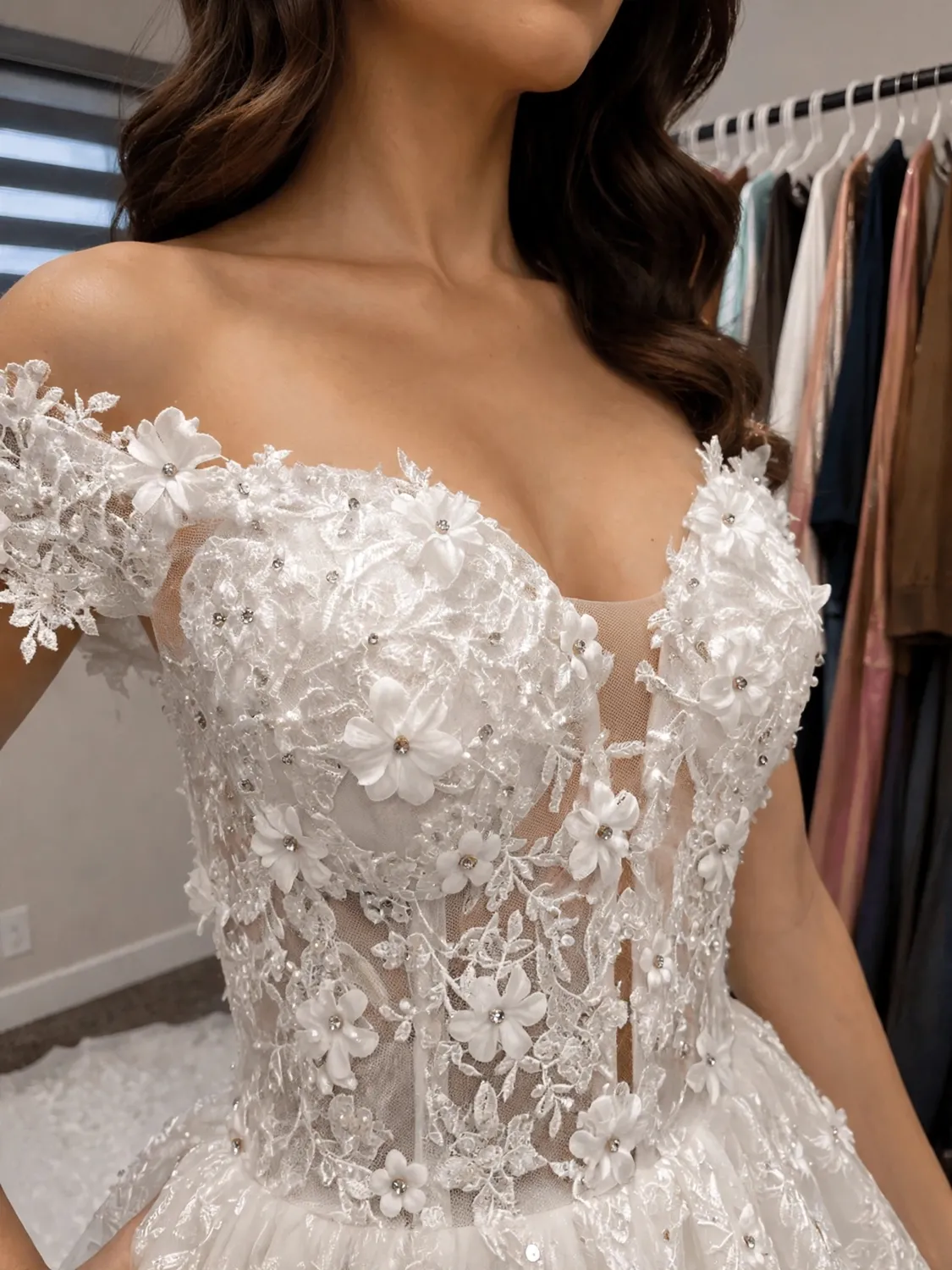
Your dress will be perfect when you step into it on the wedding morning. But weddings are long, joyful, slightly chaotic days — a heel catches a hem, a button works loose during hugs, a drop of something lands where it shouldn't. A small emergency kit, packed the night before and handed to a bridesmaid, turns each of those moments into a thirty-second fix instead of a story you tell with a sigh. Here is what Calgary brides actually use, and what can stay home.
The sewing basics
A miniature sewing kit is the heart of the emergency kit. Pack white and ivory thread, a few needles, small safety pins in two sizes, and a tiny pair of scissors. Safety pins alone rescue most dress dramas: a strap that slips, a bustle loop that gives way, a hem that dips after a heel catches it. If your dress closes with buttons down the back, ask whether a spare button can travel with you — covered buttons occasionally pop under enthusiastic dancing, and a matching replacement sewn on in minutes beats a visible pin in every photo.
Stain and spot rescue
- White chalk or a stain-remover wipe. On white and ivory fabrics, plain white chalk can mask a small mark until the day is over — a classic dressmaker's trick. Wipes help on some fabrics, but test nothing new on your dress itself; dab an inside seam allowance first if you have time.
- A clean white cloth. For blotting — never rubbing — a splash before it sets.
- Clear nail polish. A dab stops a run in delicate tulle or a fraying thread from travelling further.
The golden rule for spills: blot, don't scrub, and leave real cleaning for after the wedding. Most marks that look catastrophic at 2 p.m. are invisible by the time a professional cleans the dress.
Comfort and confidence fixes
Fashion tape — double-sided strips made for skin and fabric — keeps necklines sitting exactly where they were placed, holds a strap in position, and tames a gaping button line. Blister plasters belong in the kit even if your shoes felt wonderful at the fitting; wedding-day feet walk further than fitting-day feet. Add a small pack of tissues, breath mints, your lip colour for touch-ups, and any medication you might need. If your dress has a long train, a spare bustle tie or ribbon is worth including too — trains get stepped on, and a torn bustle loop is the single most common evening repair.
Who carries it, and where it lives
Assign the kit to one person — a bridesmaid or your wedding coordinator — and agree on where it will be at each stage: the getting-ready room, then the ceremony venue, then somewhere near the head table. A kit in the car helps no one during the reception. At your final try-on with us, it's worth doing a quick rehearsal: sit, walk, raise your arms, and note anything that shifts. Those notes tell you exactly which fixes your kit needs. If you'd like to see how a dress moves before you commit to a design, browse our Gallery — real dresses on real days are the best research.
Prevention beats repair
The best emergency kit is the one you barely open, and most prevention happens before the day: a dress made to your exact measurements has no strap constantly sliding and no bodice that needs tugging up every ten minutes. That is the quiet advantage of made-to-measure — the fit problems that fill most emergency kits simply never occur. You can read more about how our dresses are made on the Custom Process page. And if you're still deciding on your dress, start with a conversation: call or text us at (587) 434-7634 to book a private try-on in Martindale NE, and we'll make sure the dress you choose needs nothing but a dance floor.