The Mura Journal
Steaming Your Dress on the Wedding Morning
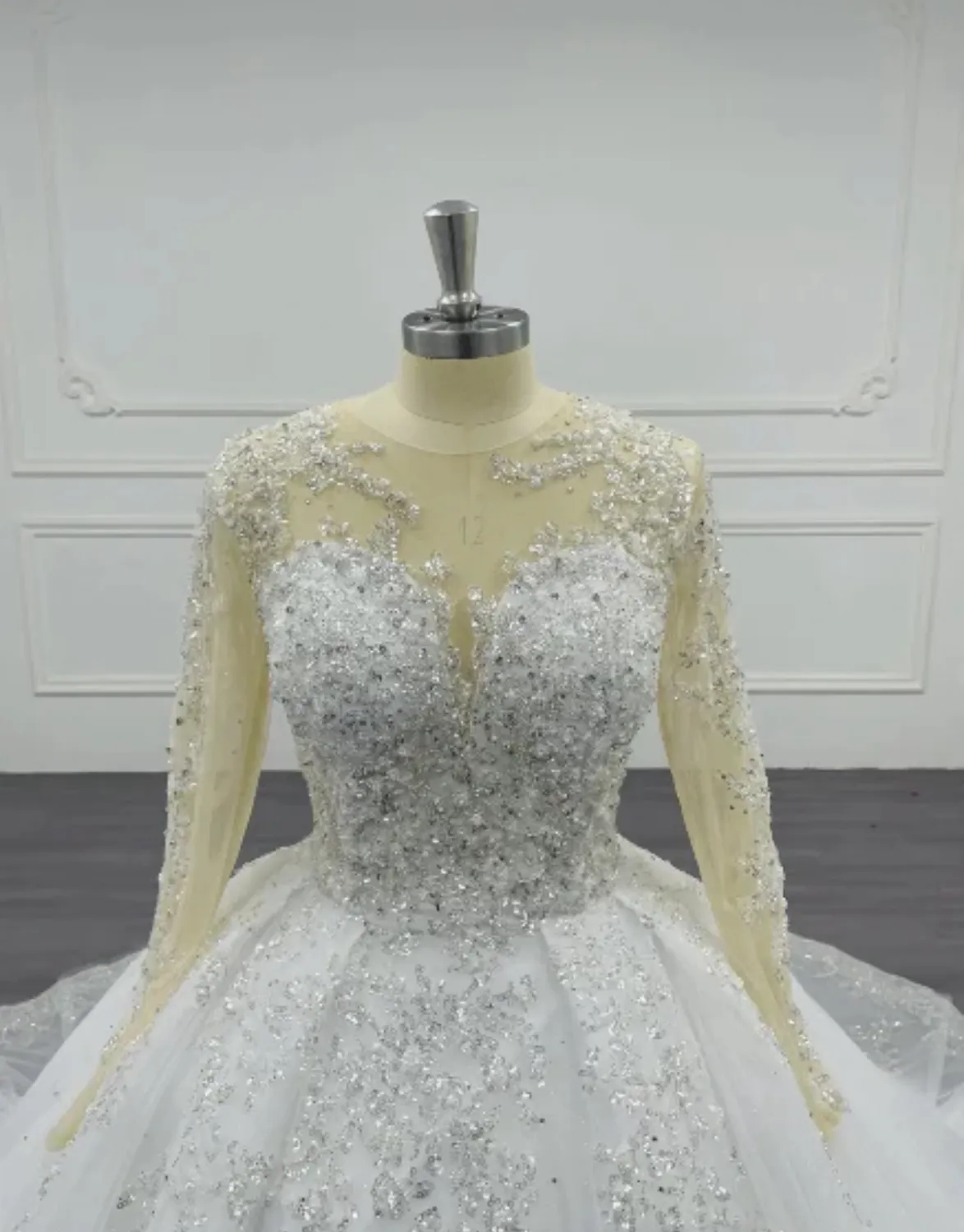
Wedding morning. The dress has travelled — from boutique to home, maybe home to hotel — and it has the creases to prove it. Steaming is how most gowns are brought back to life in those final hours, and done patiently, it's simple. Done carelessly, it can water-spot satin or melt delicate embellishment. Here's how brides and their helpers handle it well. This is general advice for any dress; if your gown came from us, these tips apply to it too.
Before the steamer comes out
Hang the dress high — over a door or from a shower rail — with room for the skirt and train to fall freely, ideally the night before so gravity does half the work while you sleep. Keep it away from the getting-ready traffic: hair spray, perfume, and makeup should all happen in another room or before the dress enters. Wash hands before handling it. If your wedding is in a hotel, run the shower hot with the door closed and hang the dress in the steam for twenty minutes as a gentle first pass; many creases surrender to that alone.
Steaming, step by step
- Use a clean steamer with fresh water. Old water and mineral buildup spit — and spit marks fabric. Let the steamer heat fully and test the steam on a towel first until it runs clean and steady.
- Work from the inside and from a distance. Hold the steamer head several inches from the fabric, moving slowly downward. For delicate layers, steam from underneath or through the lining rather than blasting the surface.
- Layer by layer. Tulle and chiffon skirts are built in layers; lift and steam each layer separately, letting each fall before moving on. This is the step that separates a fluffy, floating skirt from a lumpy one.
- Let it cool and set. Steamed fabric creases again easily while warm and damp. Once a section is done, leave it alone and let it dry in place.
Fabric cautions worth knowing
Tulle, chiffon, organza, and lace generally love steam. Satin demands respect: keep the steamer moving and at a distance, because lingering steam can leave water marks — steaming satin from the underside is the safer technique. Beading and sequins need the most care of all: direct, close steam can loosen glued embellishments and warp sequins, so work around heavily decorated areas and let the surrounding fabric relax instead. Never use a regular iron directly on a gown; if a stubborn crease needs pressing, it should be done with a protective cloth, low heat, and ideally by someone experienced — or left to a professional the day before rather than improvised on the morning. Our storage guide covers the days before this moment, so the morning starts with fewer creases to fix.
Assign the job
The bride should not be the one steaming. Give the task — with these instructions — to a calm bridesmaid, a parent, or your planner, the evening before if possible, with a morning touch-up only if needed. Then the dress hangs, untouched and perfect, until it's time. That small bit of delegation is one of the easiest gifts you can give your wedding-morning self. (Our FAQ covers a few more morning-of practicalities brides ask about.)
Dress not yet steamed because it doesn't exist yet? Most of our custom dresses are ready in about 4–6 weeks, made to your exact measurements. Book a private try-on in Martindale NE by calling or texting (587) 434-7634, and let's start yours.